
Combined Heat and Power Systems Help Buildings Cut Costs and Carbon
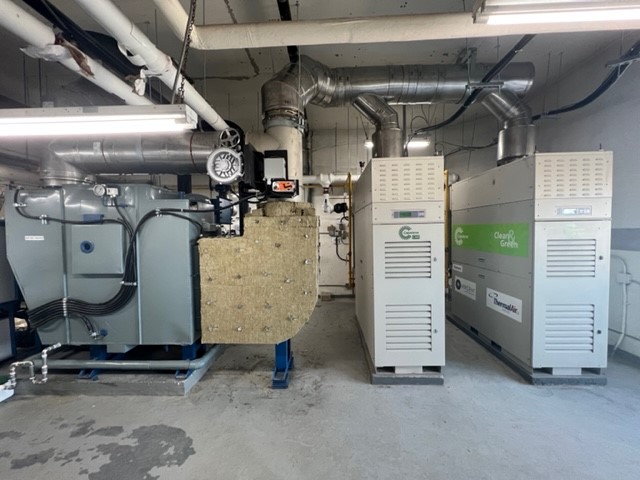
Energy demand continues to rise. As a result, many buildings face higher utility costs and greater pressure to reduce emissions.
Businesses, condo boards, and property managers need practical ways to improve energy performance. Combined heat and power systems can help.
What Are Combined Heat and Power Systems?
Combined heat and power, or CHP, generates electricity on site. Combined cooling, heat and power, or CCHP, goes one step further.
These systems use microturbines to generate electricity for a building. The system then captures heat that would otherwise be wasted. The building can use that heat for heating, cooling, or other energy needs.
This approach helps buildings use fuel more efficiently. It can also reduce reliance on the electric grid.
How CHP and CCHP Improve Building Resilience
A building that depends fully on the grid can face higher costs and service disruptions. CHP and CCHP systems give building owners more control over their energy supply.
They can also help extend the life of major equipment. For example, many condo boards can reduce their reliance on an electric chiller. This can reduce wear on the chiller and support long-term operating savings.
The result is a more reliable and energy-efficient building.
Neelands Helps a Scarborough Condo Evaluate CCHP
A condo building in Scarborough contacted Neelands while considering a new chiller. The building needed a solution that could improve efficiency, reduce operating costs, and support long-term resilience.
Neelands reviewed the building’s options. The team then partnered with Vergent Power and World Energy to develop and install a CCHP system.
The system uses natural gas efficiently to generate power. It also captures waste heat and puts it to use in the building.
Lower Heating Costs and Reduced Carbon Impact
The Scarborough condo’s CCHP system will act as the building’s full-time power system. By using CCHP technology, the building expects to reduce heating bills by 35%.
The system also strengthens power supply resilience for residents.
CHP and CCHP systems can also support lower greenhouse gas emissions. In a 2016 report, the U.S. Department of Energy identified CHP as a clean energy solution that can reduce electric grid use and lower emissions.
Sustainable Technology With Practical Benefits
Neelands continues to help customers adopt sustainable heating and cooling solutions.
“Neelands has been at the forefront of sustainable solutions and technology, but CHP and CCHP systems are not just a technical solution,” said Noel Neelands, President of Neelands Group. “By implementing these technologies, we’re helping our customers be more resilient and decrease their carbon footprint.”
Talk to Neelands About CHP and CCHP Systems
If you want to learn more about sustainable technology for your building or business, contact Neelands.
Our sustainability experts can review your options and help you decide which solution makes the most sense for your building.